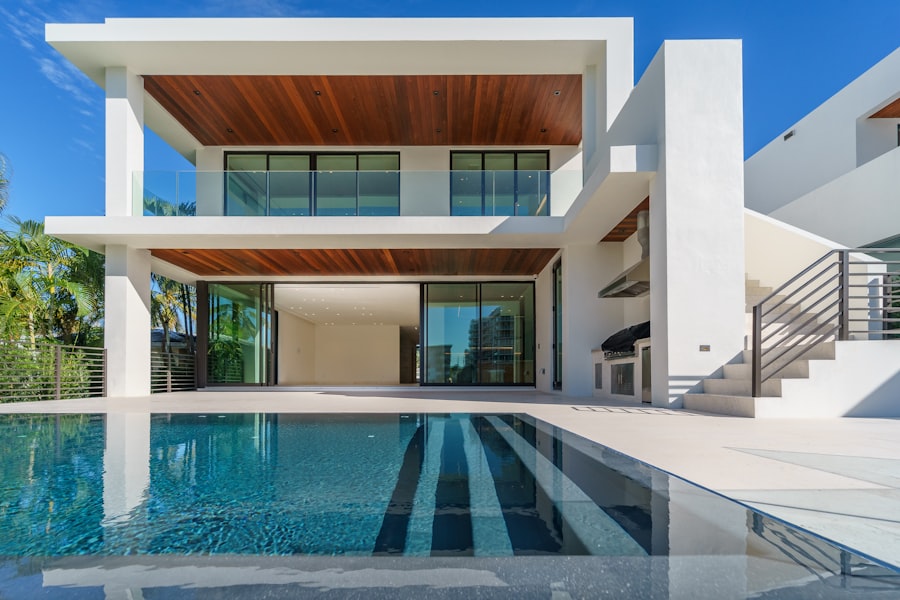
Pools in Fort Myers take a beating. Between 300+ days of UV radiation, humidity that accelerates chemical breakdown, and soil conditions that stress the pool shell, the average plaster pool surface is on borrowed time after about 7 years in SW Florida.
The good news? Your pool will tell you when it is time. Here are the five clearest signs — and what to do about each one.
Sign 1: Rough Texture — Your Pool Feels Like Sandpaper
The most common early warning sign is a pool surface that feels rough or abrasive underfoot. Over time, pool plaster dissolves in water — a process called etching. As the smooth top layer erodes, the sand and aggregate within the plaster become exposed, creating a sandpaper-like texture.
How to check: Run your hand along the pool walls and floor, especially in the shallow end and on steps where you stand most often. If it feels like 80-grit sandpaper rather than smooth stone, your plaster is etching.
If you feel it now: Minor etching can sometimes be managed with proper water chemistry and brushing. But once the aggregate is exposed, it will only get rougher. Swimmers will complain about scraped feet and knees. This is sign #1 that resurfacing is on the horizon.
Sign 2: Stubborn Stains That Won't Brush Away
All pools get stains. Metal stains (iron, copper), organic stains from leaves, and calcium scale are common. But when stains won't brush off with regular maintenance, the problem is deeper — the stain has penetrated the porous, worn plaster.
Metal stains: Brown, reddish, or blue-green stains from well water or corroding pool components. In Fort Myers, iron-rich well water on rural properties (Lehigh Acres, Alva) makes these common.
Calcium scaling: White, crusty deposits that feel like sandpaper. SW Florida's hard water, combined with high evaporation rates, concentrates calcium on pool surfaces.
What to do: A professional acid wash can remove some surface stains temporarily, but if stains reappear quickly, the plaster is too porous. At that point, resurfacing is the only permanent fix.
Sign 3: Visible Cracks in the Pool Surface
Cracks are the most serious sign. Not all cracks are structural — some are cosmetic — but all cracks demand attention in SW Florida, where expansive clay soils expand and contract with seasonal moisture.
Surface cracks (craze cracks): Fine, spiderweb-like cracks in the plaster only. These do not go through the gunite shell. Common in older pools and usually cosmetic, but they allow water to reach the shell and accelerate deterioration.
Structural cracks: Cracks wider than 1/8 inch, running through the pool shell itself. These cause leaks and require professional structural repair before resurfacing can begin. Common after droughts, when soil pulls away from the pool wall.
If you see cracks, especially ones that seem to be getting wider, call for an inspection. The difference between a $500 patch and a $5,000 structural repair often comes down to how early the crack is addressed. For cracks and leaks specifically, our pool leak detection specialists use advanced equipment to pinpoint the exact source before recommending a fix.
Sign 4: Frequent Algae Blooms Despite Proper Chemistry
Are you battling algae constantly despite balanced chemicals and a working filtration system? A rough, porous plaster surface is the culprit — it provides thousands of microscopic crevices where algae spores can hide from sanitizer and take root.
In a smooth, properly sealed pool, algae struggles to establish. On a worn, etched surface, you might find yourself brushing green spots weekly, using more shock and algaecide than ever before, and still losing the battle.
This is a common complaint among Fort Myers homeowners with pools over 8 years old. If your pool has become an algae magnet, it is not your maintenance routine — it is your surface.
Sign 5: Your Pool Is 10+ Years Old in Florida's Climate
If your Fort Myers pool is over 10 years old and has never been resurfaced, it is overdue — even if it looks fine. In Florida's climate, plaster pool surfaces have a functional lifespan of 7–10 years. Beyond that, you are on borrowed time, and deterioration is likely happening below the visible surface.
Why Florida pools age faster: year-round UV radiation degrades the plaster's cement binder, warm water temperatures accelerate chemical reactions, and SW Florida's hard water deposits calcium scale that etches the surface. Pools in cooler climates may get 15–20 years from plaster. In Fort Myers, 10 years is excellent — 7–8 is average.
If you have bought a home with a pool and do not know the last resurfacing date, assume it is due. Look at the home's age: if the home and pool are 15+ years old and the surface is original, you are almost certainly due.
What to Do If Your Pool Shows These Signs
If your pool checks even two of these five boxes, the next step is a professional inspection. A licensed pool contractor can assess the surface condition, check for delamination (plaster separating from the gunite shell), and give you an honest timeline — whether you need resurfacing this year or can wait 2–3 more seasons. Our pool resurfacing services include a free on-site inspection and a detailed, itemized estimate.
Do not wait for all five signs. By the time cracks, stains, roughness, algae, and age are all present, the underlying shell may already have water damage that makes the repair far more expensive.
Is your pool showing any of these signs? Get a free, no-obligation pool surface inspection from a licensed Fort Myers pool contractor. We will tell you exactly where your pool stands and what it needs.