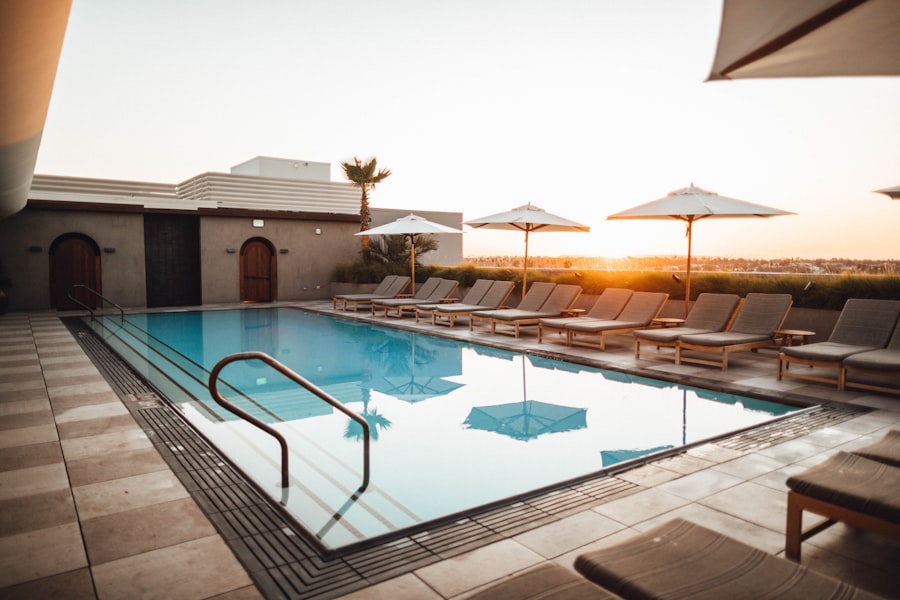
If you are investing in pool replastering in Fort Myers, you want to know: how long will it last? The answer depends heavily on which finish you choose and how you maintain it. But in Florida's climate, all pool finishes have shorter lifespans than in cooler states. Here is the complete guide. For a complete overview of available finishes and the replastering process, see our pool replastering with PebbleTec service page.
Pool Plaster Lifespan in Florida's Climate
Florida is one of the harshest environments for pool plaster in the United States. Year-round UV radiation degrades the cement binder that holds plaster together. Warm water (80°F+ for much of the year) accelerates chemical reactions between the water and the surface. High evaporation rates concentrate minerals that cause scaling and etching.
The result: a pool plaster surface in Fort Myers typically needs replacement 2–5 years sooner than the same surface in, say, Michigan or Oregon. Here is how that plays out across finish types:
| Finish Type | Florida Lifespan | Cooler Climate Lifespan | Cost Per Year (15x30 pool, estimated) |
|---|---|---|---|
| White Plaster | 7–10 years | 12–15 years | $300–$700/year |
| Quartz Aggregate | 10–15 years | 15–20 years | $300–$800/year |
| Diamond Brite | 12–18 years | 18–25 years | $300–$750/year |
| PebbleTec / PebbleSheen | 15–25+ years | 20–30+ years | $260–$650/year |
Lifespans assume proper water chemistry maintenance. Neglected chemistry can cut plaster lifespan by 50% or more.
The surprising insight: PebbleTec, despite being the most expensive upfront, often has the lowest cost per year in Fort Myers because it lasts so much longer.
Plaster vs. Quartz vs. PebbleTec: Which Lasts Longest?
White Plaster — 7–10 Years
White plaster (marcite) is a mixture of white Portland cement, marble dust, and water. It is applied 3/8 to 1/2 inch thick over the gunite shell. Plaster dissolves slowly in pool water — a process called carbonation. In Fort Myers' warm water, this dissolution happens faster than in cold-water pools.
Plaster starts showing its age around year 5–6: minor etching, slight roughness, and occasional small stains. By year 8–10, most Fort Myers plaster pools are due for resurfacing. Plaster is the most budget-friendly option but requires the earliest replacement — and each replacement costs the same or more than premium finishes cost once.
Quartz Aggregate — 10–15 Years
Quartz finishes embed colored quartz crystals into the plaster mix. The quartz does not dissolve — it is inert and chemically stable. As the cement binder slowly erodes, the quartz remains, maintaining color and texture far longer than plaster alone. The additional 3–5 years of lifespan over plaster make quartz a strong value proposition for Fort Myers homeowners planning to stay in their homes for 10+ years.
PebbleTec & PebbleSheen — 15–25+ Years
PebbleTec and its smoother sibling PebbleSheen are the durability champions. Natural river pebbles, tumbled smooth, are embedded in a proprietary cement binder. The pebbles themselves do not degrade — they are millions of years old already and unaffected by pool chemistry. This is why we recommend pebble finishes for most pool resurfacing services in SW Florida — the math on cost per year is hard to beat.
What wears over time is the cement binder holding the pebbles. PebbleTec's binder is more UV-resistant and chemically stable than standard plaster cement, giving it an additional 5–10 years of life. Many PebbleTec pools in Florida built in the early 2000s are still going strong in 2026 with proper maintenance.
Diamond Brite — 12–18 Years
Diamond Brite uses a proprietary blend of quartz aggregate and polymer-modified cement for a finish that is smoother than PebbleTec but more durable than plain quartz. Its 12–18 year lifespan in SW Florida makes it a popular middle-ground option for homeowners who want a smooth finish but better longevity than plaster.
Factors That Shorten Pool Plaster Life in SW Florida
Even premium finishes wear faster in SW Florida if these factors are present:
- Poor water chemistry: Low pH (below 7.2) dissolves plaster cement aggressively. High pH causes scaling. Inconsistent chemistry is the #1 cause of premature plaster failure in Fort Myers.
- High calcium hardness: SW Florida's hard water requires diligent management. Calcium above 400 ppm causes scale that etches the surface as it forms.
- Frequent draining: Draining a pool exposes plaster to air and sun. Plaster can crack and delaminate when it dries and is re-submerged too quickly.
- Aggressive chemical treatments: Acid washes (common before selling a home) strip a thin layer of plaster to remove stains. While effective cosmetically, each acid wash shortens the remaining plaster lifespan by 1–2 years.
- Stains and metal deposits: Iron, copper, and manganese from well water or corroding pool components embed in plaster. These stains are difficult to remove without an acid wash, which further shortens lifespan.
- Hurricane debris and storms: Branches, debris, and rapid water chemistry changes during hurricane season stress pool surfaces. Post-Ian, many Fort Myers pools that were already near end-of-life failed within the following year.
How to Extend Your Pool's Plaster Lifespan
You cannot change Florida's climate, but these practices add years to any pool finish:
- Test water chemistry weekly. pH, alkalinity, and calcium hardness are the three numbers that determine plaster lifespan. Keep pH 7.4–7.6, total alkalinity 80–120 ppm, and calcium hardness 200–400 ppm. Invest in a quality test kit or automated monitoring.
- Brush the entire pool weekly. Brushing prevents scale, algae, and stains from embedding in the surface. A 5-minute weekly brush adds years to plaster life.
- Use a pool cover. A solar cover reduces evaporation (which concentrates minerals), keeps debris out, and stabilizes water temperature. Less evaporation means less calcium from fill water being added.
- Fix leaks immediately. A leaking pool constantly receives fresh fill water that alters chemistry. Water moving through a crack in the plaster accelerates erosion behind the surface.
- Use a salt chlorine generator with care. Salt systems are popular in Fort Myers but can accelerate plaster erosion if water chemistry is not carefully balanced. Monitor pH closely; salt generators tend to raise it.
- Address small problems early. A $200 plaster patch today prevents a $2,000 structural repair in two years. Hollow spots, small cracks, and stains that spread over time should be inspected promptly.
When to Replaster vs. When to Patch
Not every surface issue requires a full replaster. Here is a quick guide:
Patching is appropriate when:
- The pool surface is under 5 years old and in otherwise good condition.
- There is 1–2 small hollow spots or delaminations, each under 1 square foot.
- A single crack, not widening, in a non-structural area.
- Minor staining in one area that an acid wash can address.
Replastering is the right call when:
- The pool surface is 8+ years old (plaster) or 12+ years old (quartz/Diamond Brite).
- There are multiple problem areas across the pool floor and walls.
- The surface is rough throughout, not just in isolated patches.
- Staining is widespread and has penetrated beyond the surface.
- You are patching more frequently — every year or two — which means the surface is failing systemically.
Need an expert opinion on your Fort Myers pool surface? Our licensed pool contractors will inspect your surface, tell you how much life it has left, and if it is time, provide a written replastering estimate — at no cost.